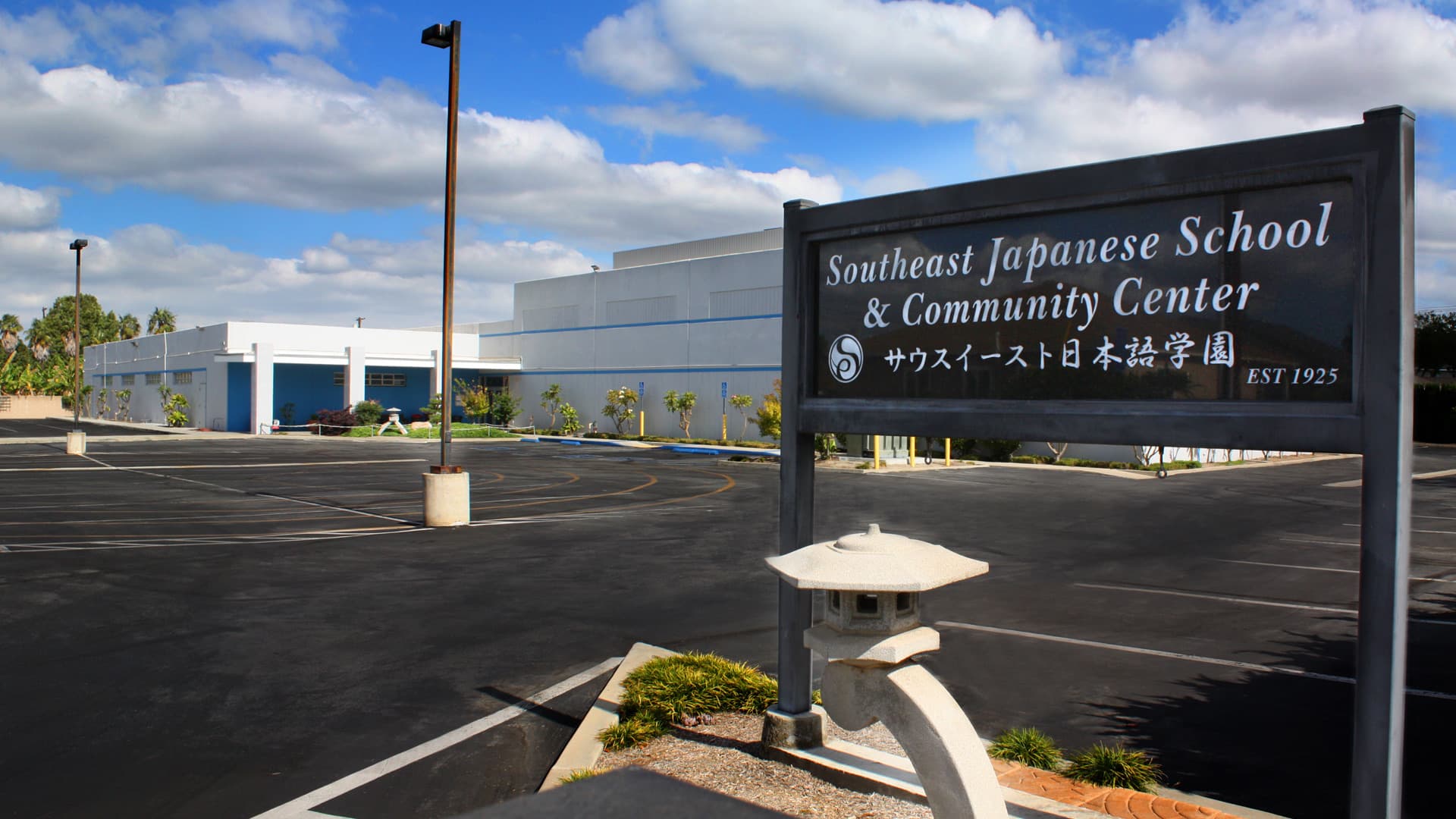
101 years,still growing.
From a small group of Japanese immigrant families in 1925 to a vibrant community today. We honor our heritage while building connections for the future.
Our MissionTo preserve and share our Japanese heritage and its traditions with the community through cultural, educational, and social activities.
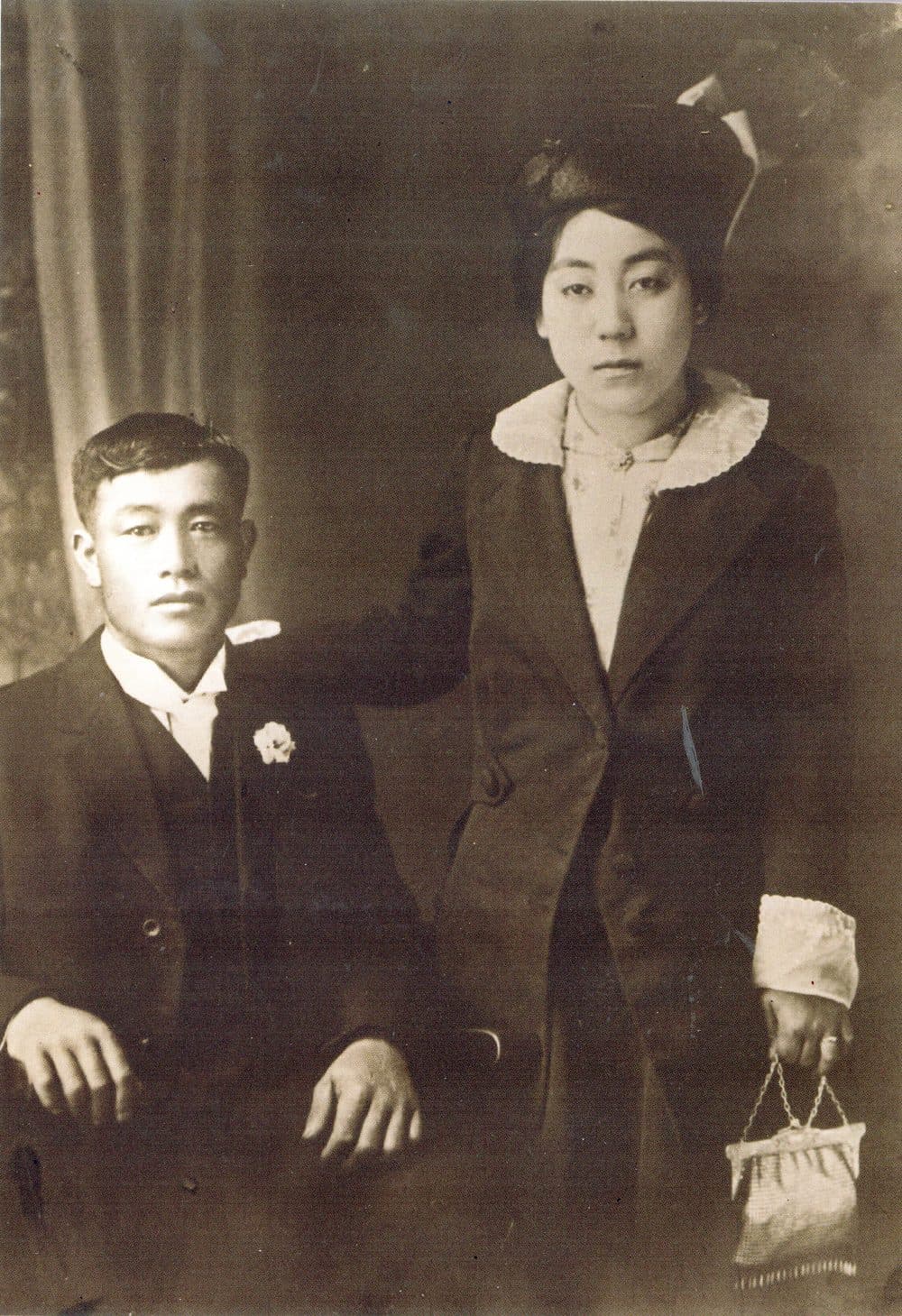
1925Juichi & Sakaye NawaThe school's first home was built on their ranch. 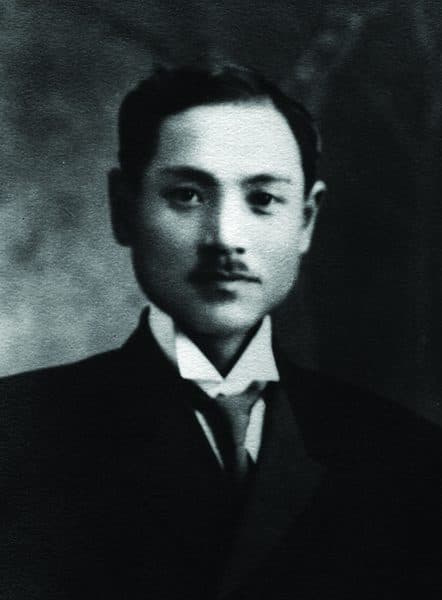
1925Rev. Tsunesuke HayashiFirst principal of the Japanese school. 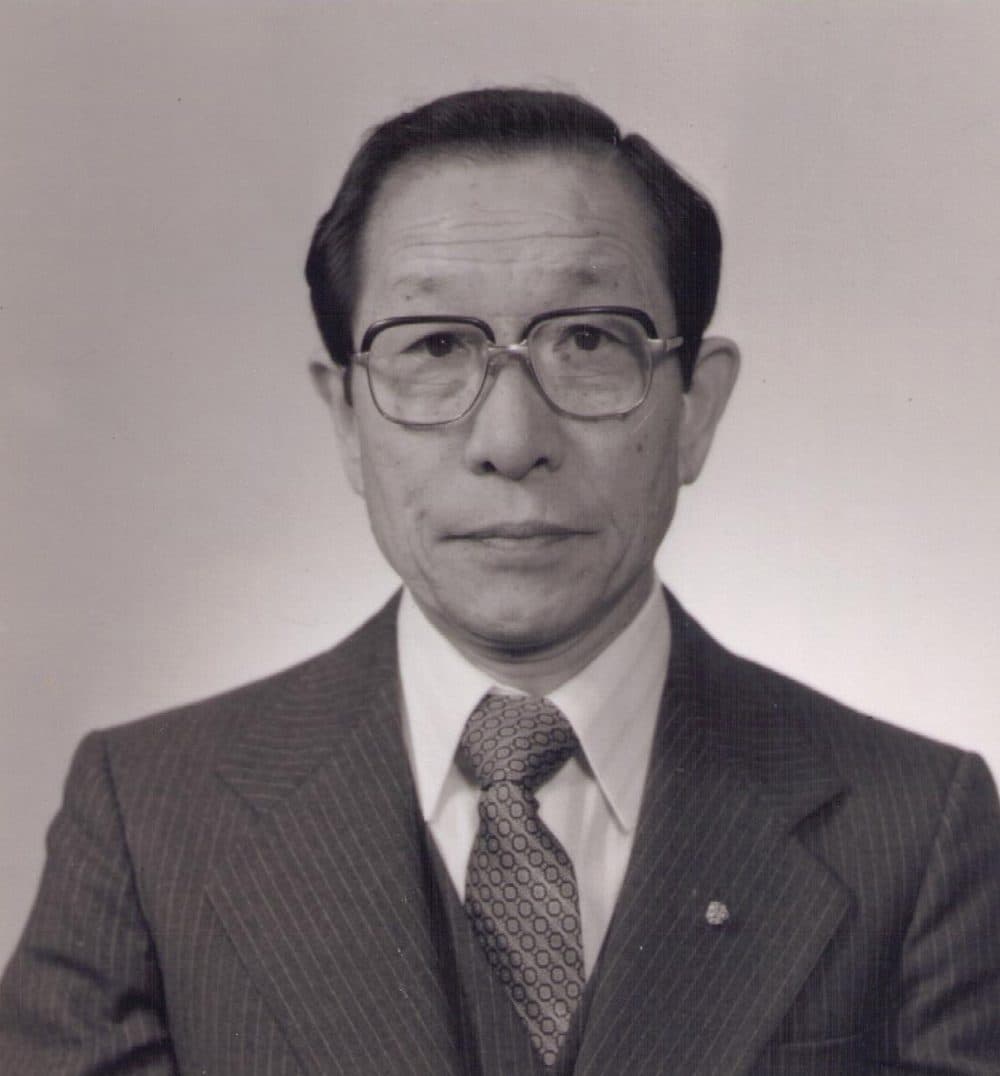
1957Principal Shuyu KuraiReopened the Gakuen after the war.
Our history, from 1925 to today
1925
A school on the Nawa Ranch
Reverend Tsunesuke Hayashi had been teaching Japanese at the Friends Japanese Church since 1923. In 1925 the community broke ground on a school of its own on the Nawa Ranch, beside the land the center stands on today, and he became its first principal.

1930
A schoolhouse of our own
Parents and community members paid for a new school building, raised under Takuichi Nakatani on the site the center still occupies. Judo classes began in 1931, kendo in 1934.
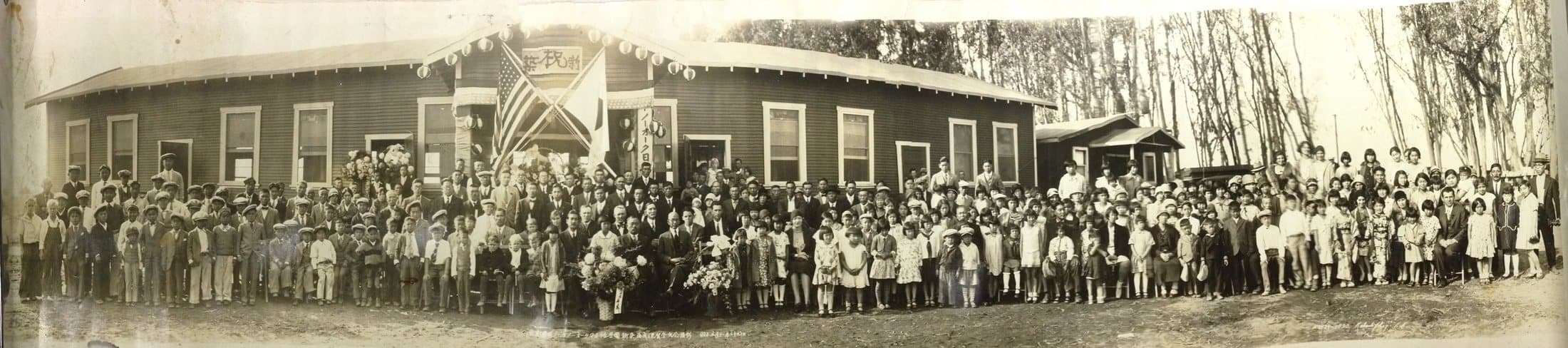
1936
The heart of the community
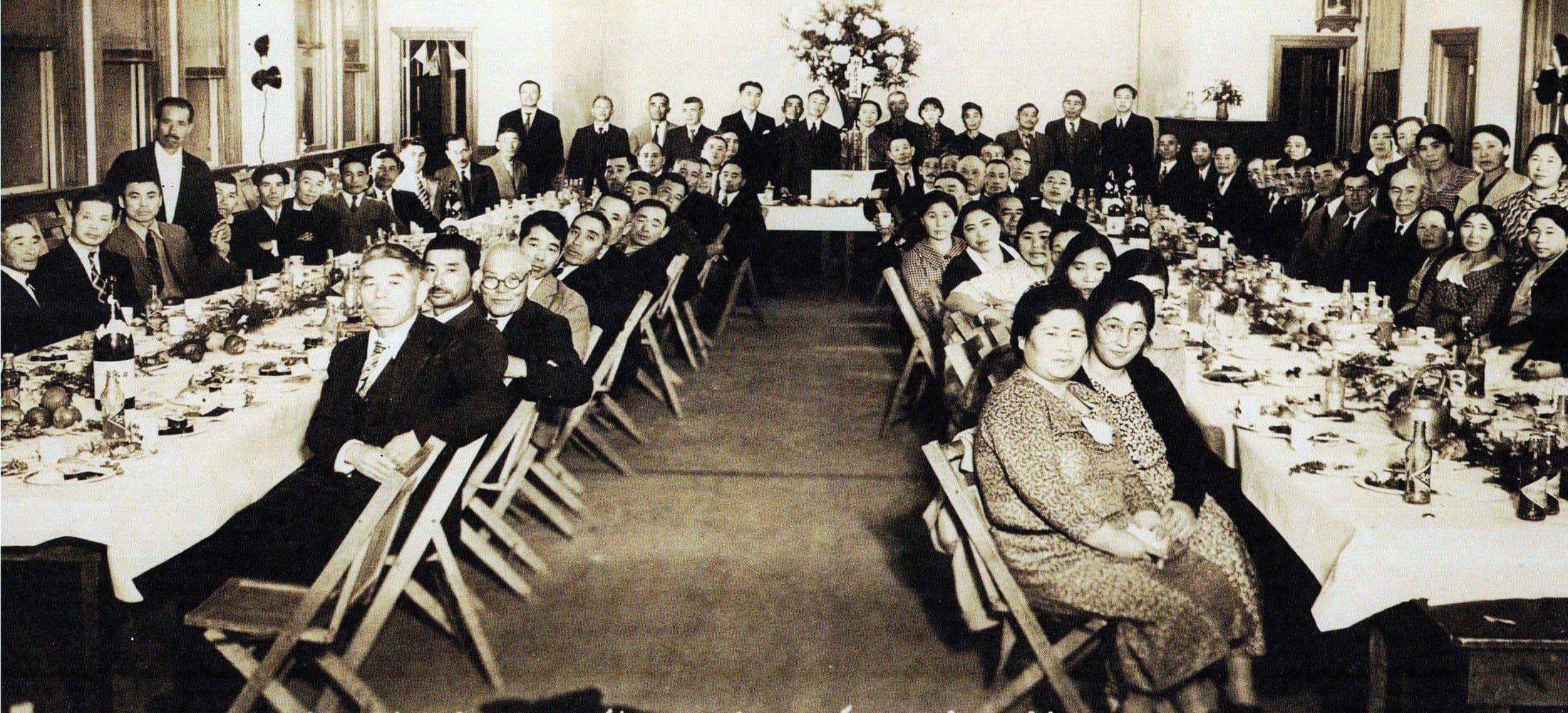
The Gakuen had become the heart of Japanese immigrant life in Norwalk — Saturday classes for the children, and the community's own gatherings the rest of the year. Enrollment reached 250 before the war.
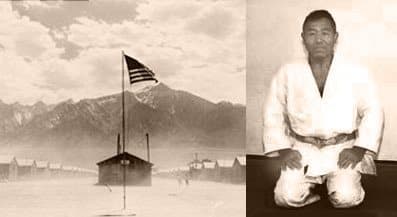
1942
Taken away, and coming home
Every Japanese American family in Norwalk was incarcerated, and the school building was rented to an American church. Families returned to the area in 1946, and Norwalk Gakuen reopened on June 22, 1957 under Principal Shuyu Kurai.
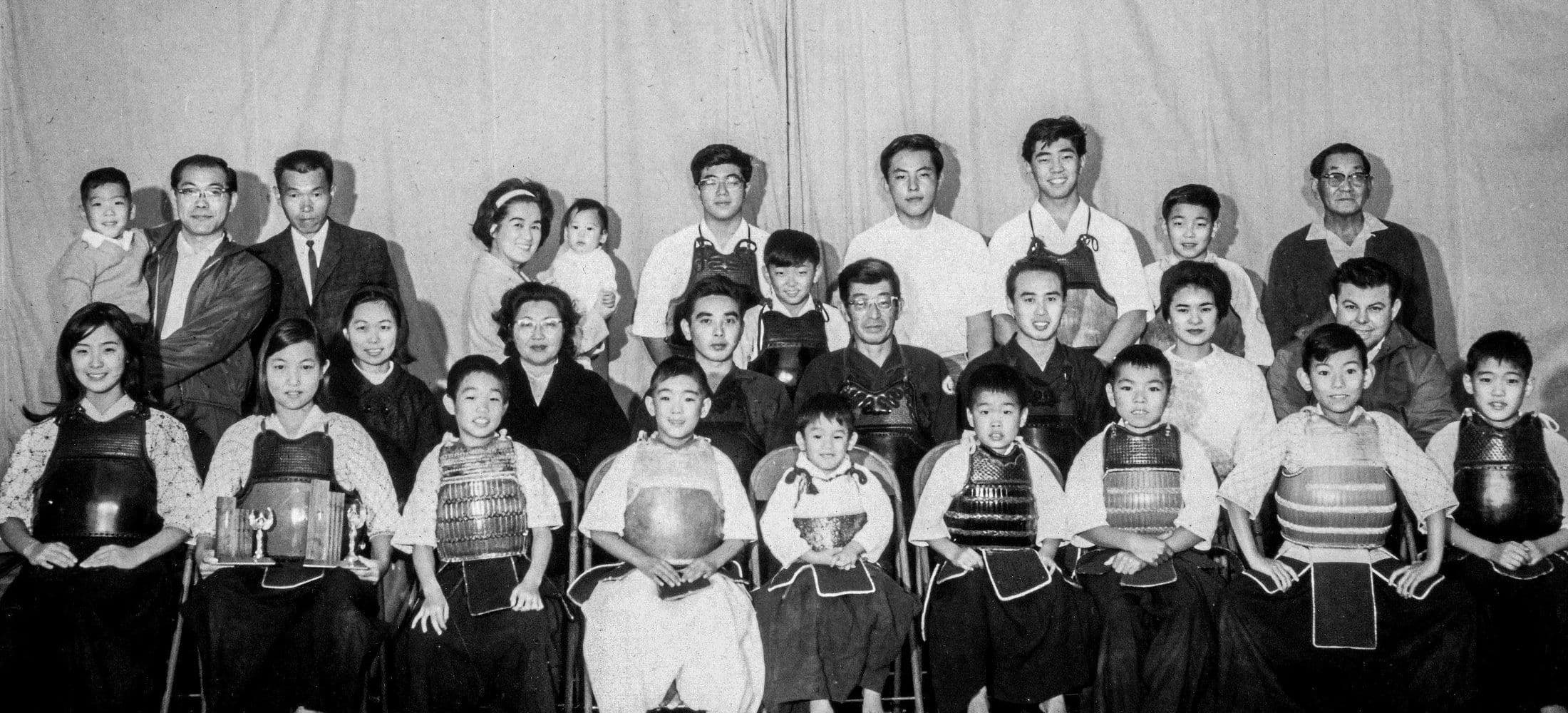
1962
A new name, and new groups
On April 11 the school was granted nonprofit status and took the name it carries today. The Youth Activities Group — now Norwalk Youth Sports — was established the same year, parents hosted the first Summer Festival in 1963, and a kendo class formed in 1964.
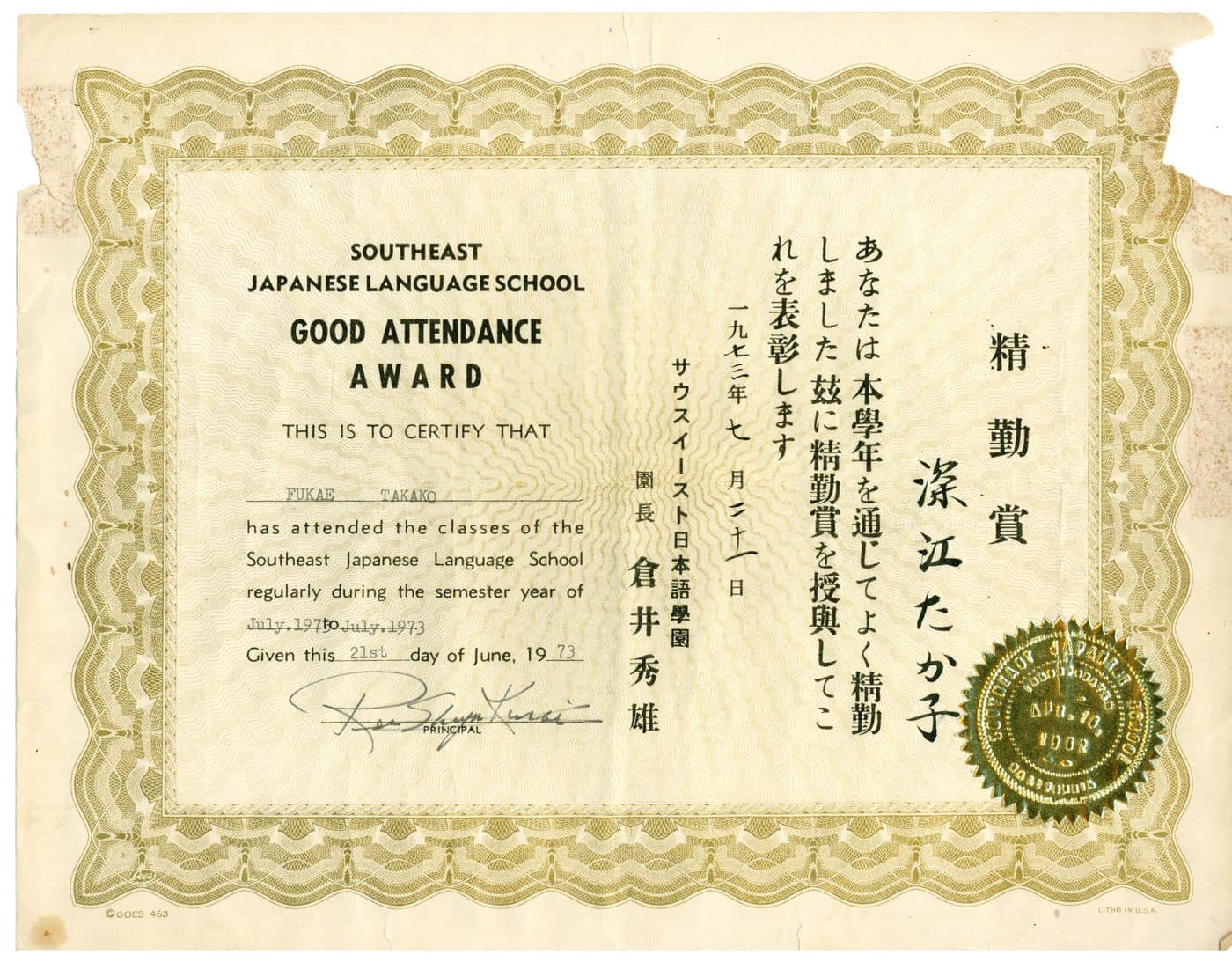
1973 A good attendance award, signed by Principal Kurai in English and Japanese.
1977
A hall for everyone
Years of fundraising opened a new building with a gymnasium, kitchen and three classrooms. Bonsai, ballroom dance and tea ceremony classes followed, and Hikari Taiko formed in 1978.
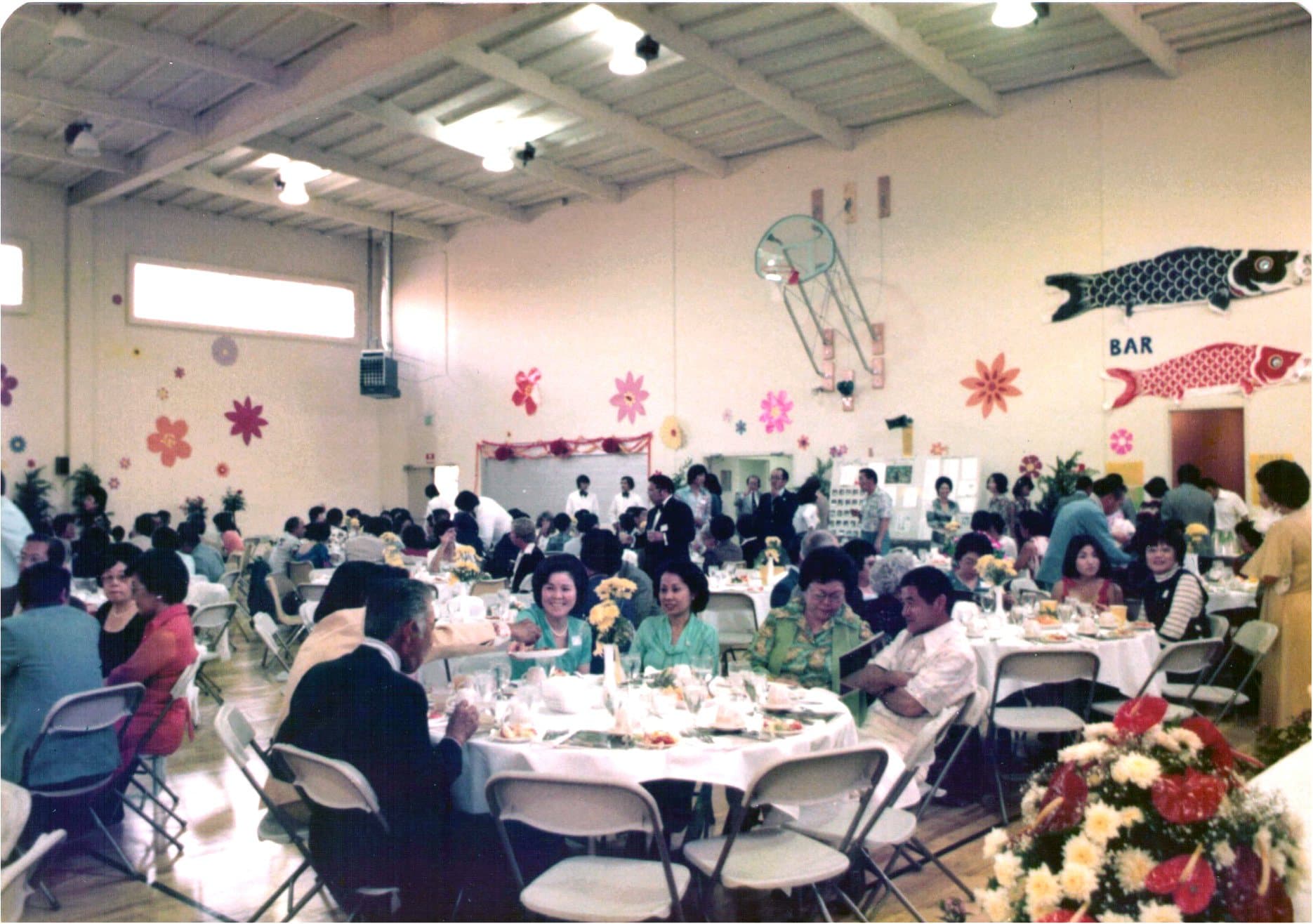
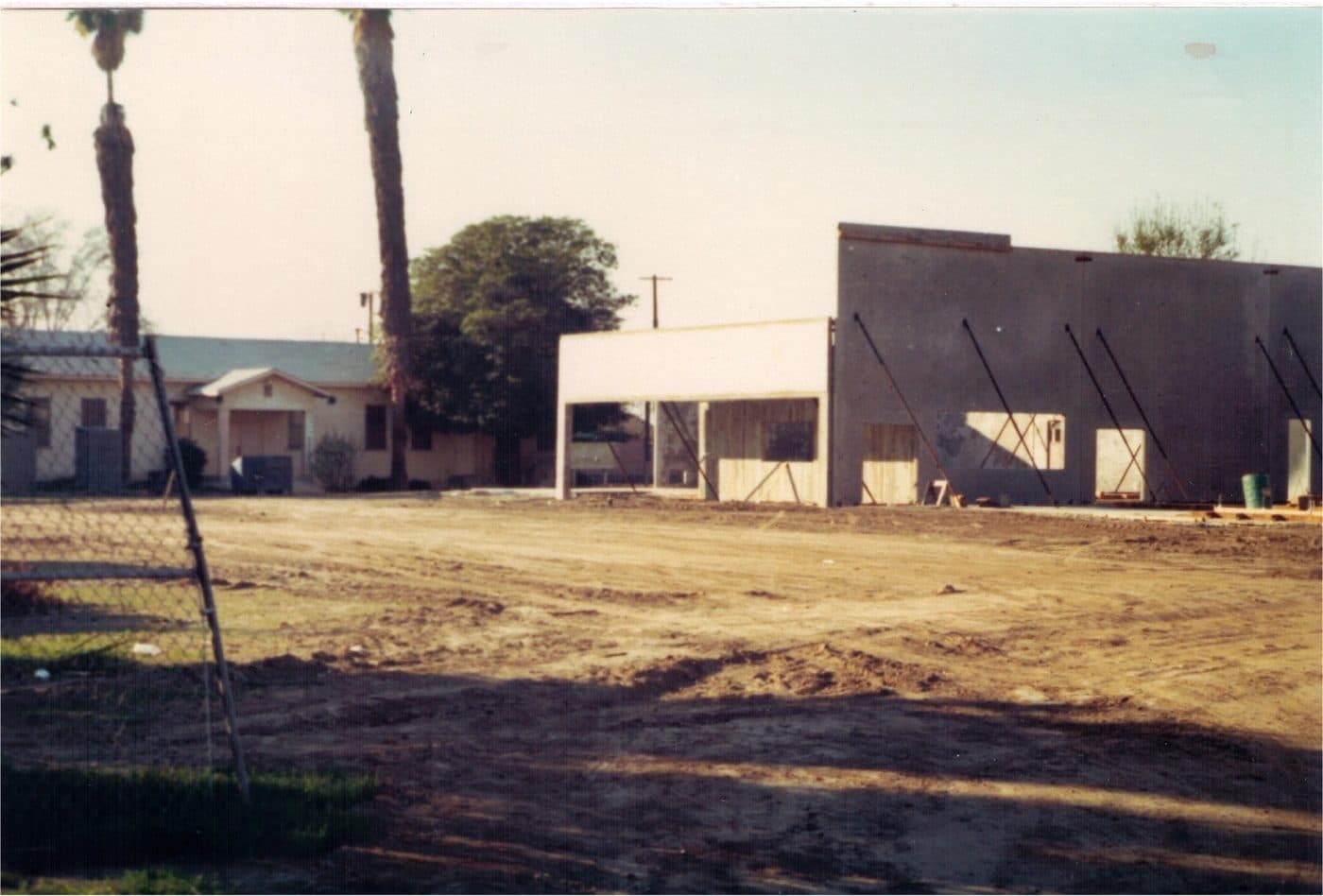
1977 The new gymnasium rising beside the old school building.
1994
Room to grow
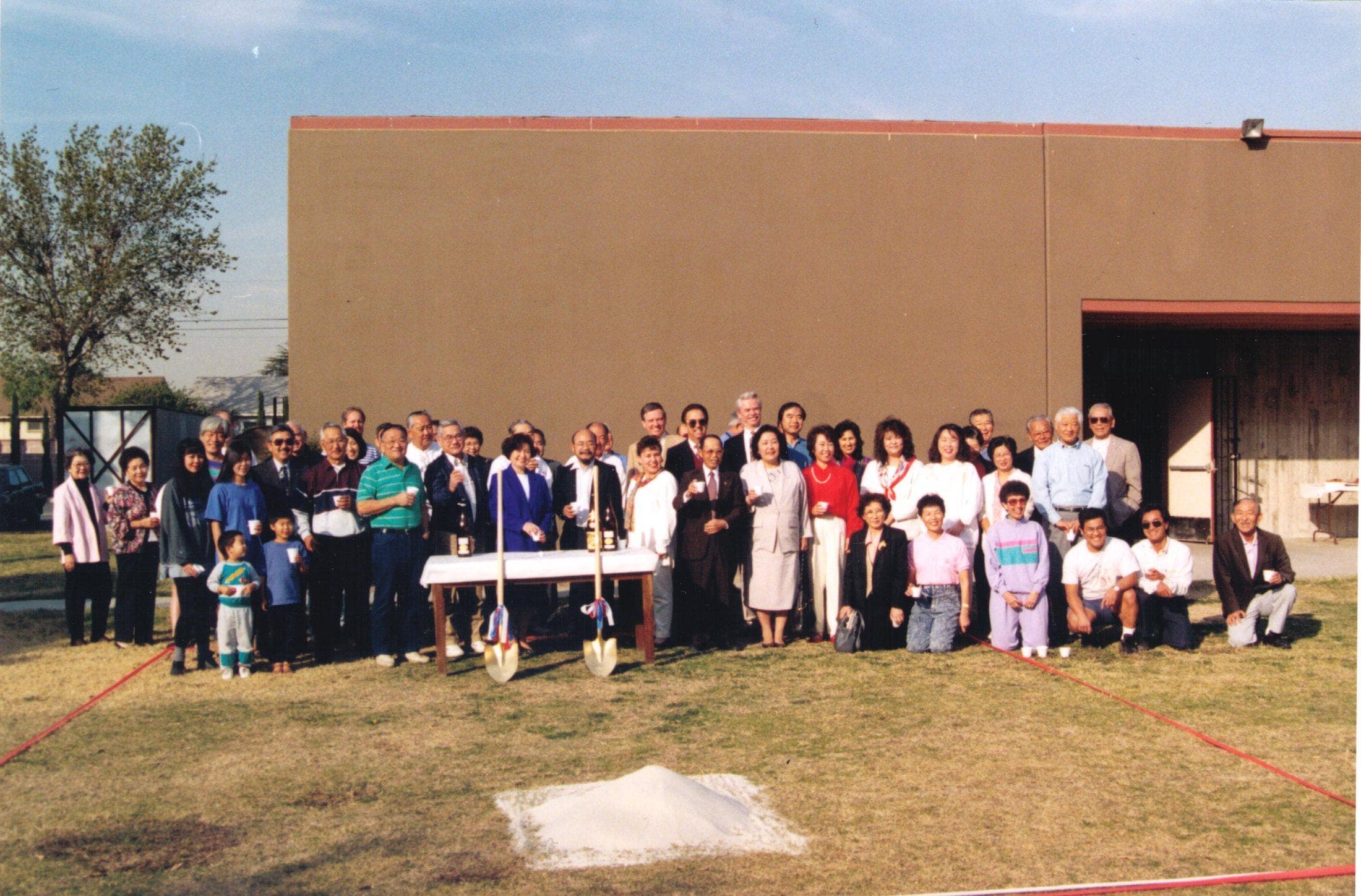
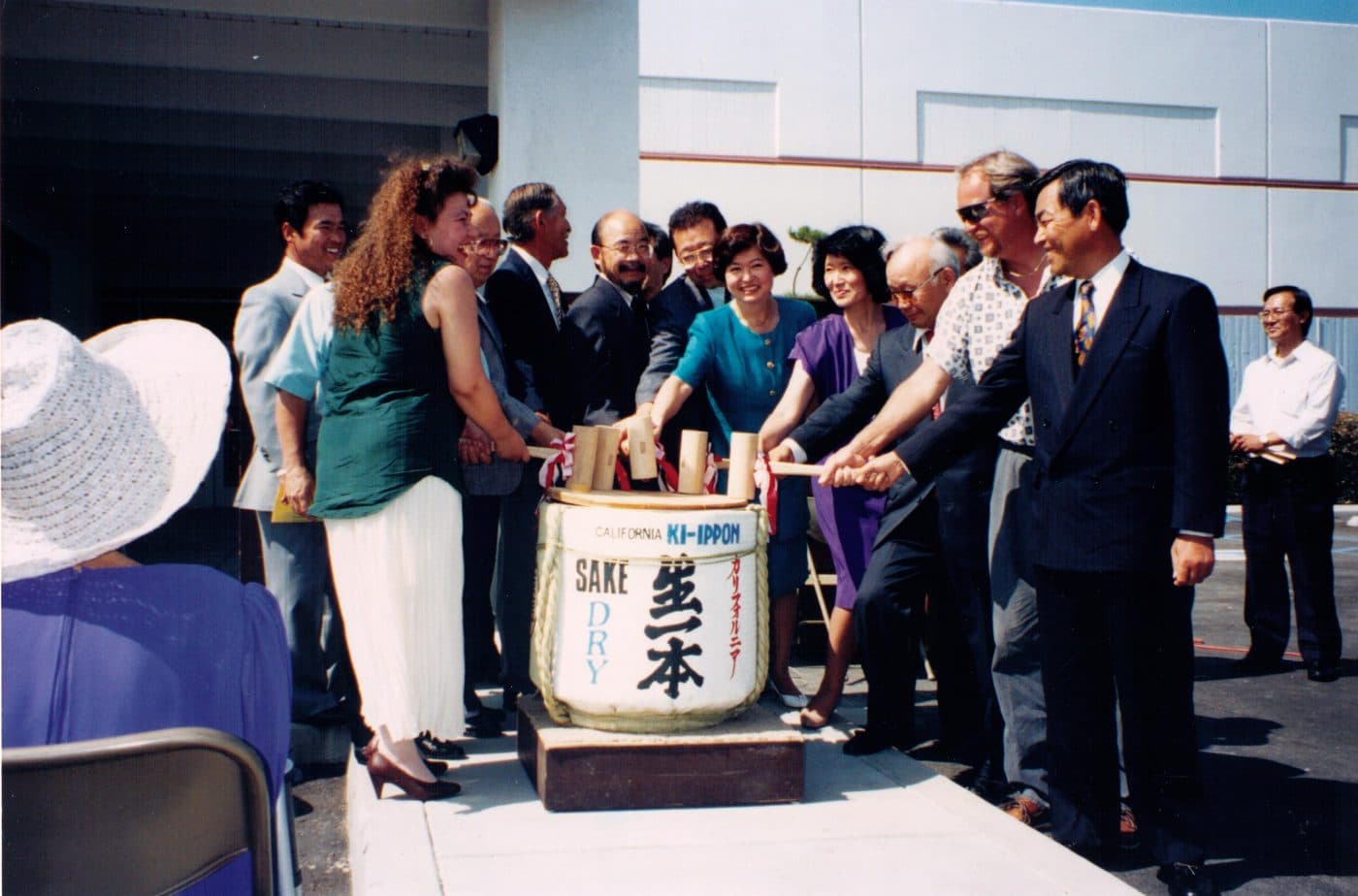
After four years of fundraising, an annex was dedicated in July with ten more classrooms, a multipurpose room and two bathrooms.
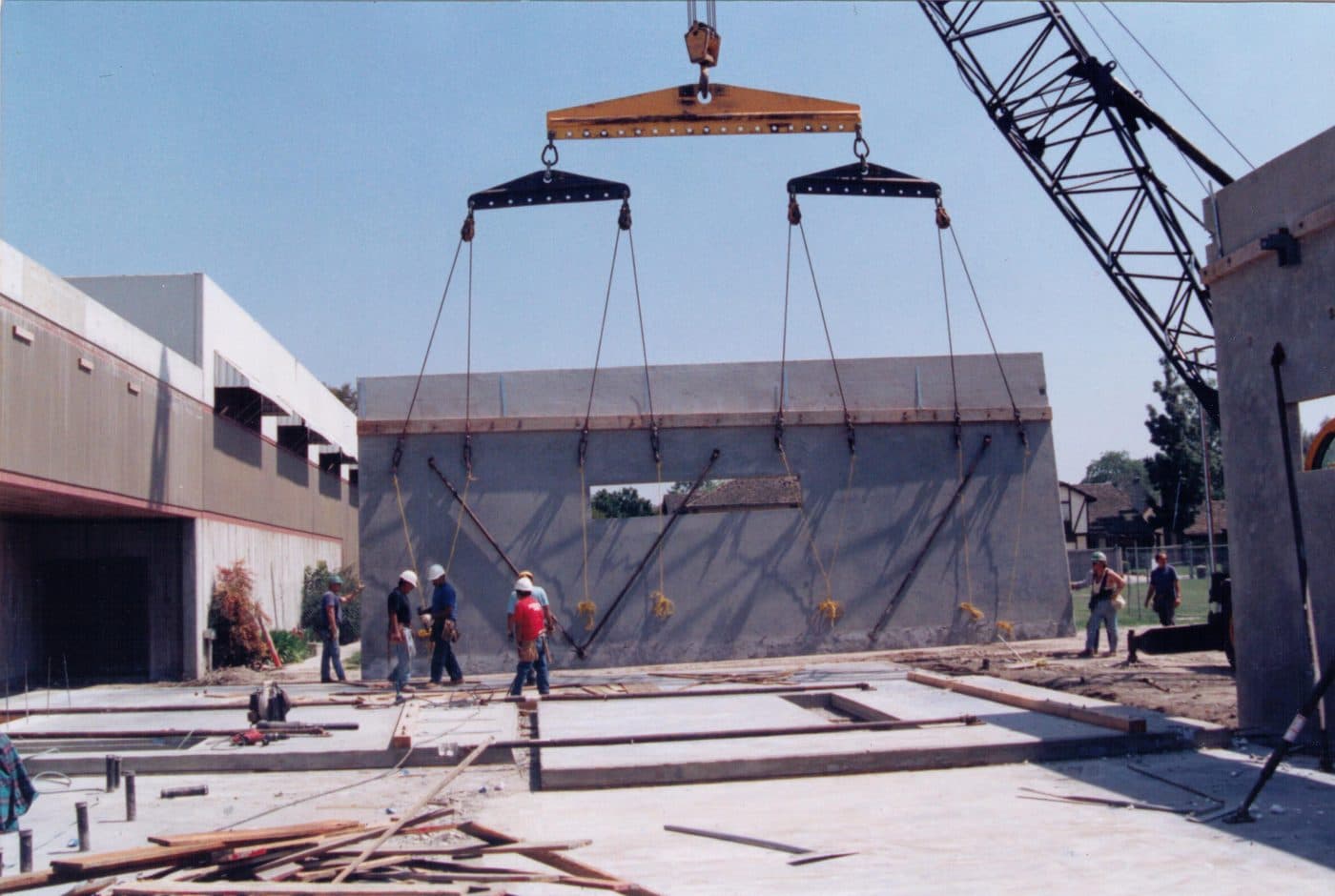
1994 A crane lifting the annex walls into place.
1994 Breaking open a sake barrel, kagami-biraki, to celebrate the new annex.
Board of Directors
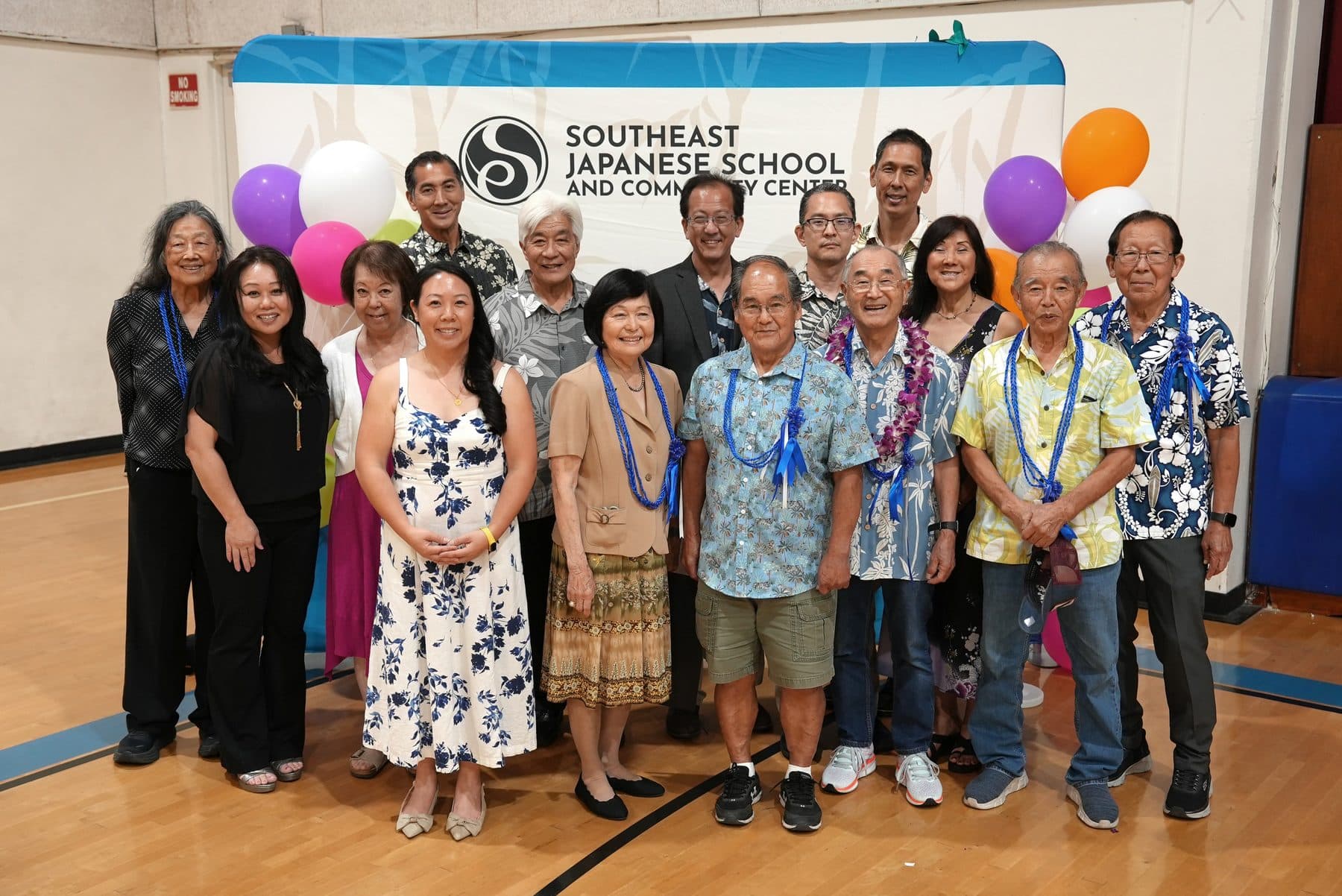
SEJSCC is entirely volunteer-run. The board sets direction on behalf of the community it serves.
- Dean Wada
- Simon Yao
- Carrie Nakatani
- Tye Masaki
- Ernie Nishii
- Masa Lau
- Colleen Sonoda
- Miki Suzuki
- Karrie Takeuchi
- Rich Tamaki
They're only part of the picture — dozens of volunteers teach classes, coach teams, run the kitchen, and keep the center open every week.
To reach a board member, leave a message with the center.